Today, we began class by creating something using technology that could be used in a classroom. We broke into our Tech Pod groups and worked together to come up with a project. Another student and I are both focusing on ASL for our inquiry projects, so we decided to create an ASL Bingo game using Canva.
I still have Canva Pro from high school, which made it a great tool for us to use. We started by finding a chart of the ASL alphabet and a bingo template. From there, we copied and pasted different ASL alphabet signs into the bingo squares. We thought this would be a fun and interactive way for students to practice and become more familiar with the ASL alphabet. Instead of simply memorizing the signs, students could learn while playing a game with their classmates.
After working with our Tech Pods for about 45 minutes, we returned to the main Zoom meeting and shared what we had created. It was really interesting to hear everyone else’s ideas and see the different ways technology could be used in the classroom. A lot of people created posters and resources using Canva, although many people mentioned that it was harder without having Canva Pro.
Overall, I really enjoyed this class because it gave me some great ideas that I could use as a future teacher. It also showed me that technology does not always have to be complicated to be useful. Even something simple like creating an ASL Bingo game can make learning more interactive, engaging, and fun for students. I will add below our ASL bingo card so you can see what we created.
During our Zoom class we discussed internet safety, and how our online presence can affect us both personally and professionally. We talked about how much technology has changed the way we communicate. One example was how people used to have to pay 10 cents to send or receive a message. We discussed how people might use their phones differently today if sending messages or taking selfies came with a cost. This made me think about how often we use our phones without really considering our habits. I know if I was charged for using my phone I would 100% use it differently.
We also discussed how students sometimes react when teachers take their phones away and how some students might even lie about having their phones. This connected to a bigger conversation about how dependent we have become on technology. We talked about the importance of protecting ourselves online by using different passwords and being more aware of what we share.
Another important topic was digital literacy and the need to learn about it. As future teachers, our digital identity is important because our online activity can affect our professional reputation. We need to understand what is appropriate to post online and how to keep parts of our personal lives private. We discussed the differences between our social, personal, and professional lives and how these can sometimes overlap on social media.
Finally, we discussed an article and it’s idea that children can use technology and social media safely when they have the right habits and understanding. One point that stood out to me was that students involved in extracurricular activities and sports often spend less time on their phones because they are busy participating in other activities. This made me think about the importance of having a balance between technology and other parts of life, such as spending time with friends, participating in sports, and being involved in the community.
Overall, this class helped me reflect on how technology can be both positive and challenging. Social media can be a great way to communicate and stay connected when it is used responsibly, but it is also important to understand the risks. As a future teacher, I want to be aware of my own digital footprint while also helping students learn how to use technology safely and respectfully. I think teaching digital literacy is important because students are growing up in a world where technology is a major part of everyday life, and they need the skills to make responsible decisions online.
Here is my video for my second week of learning ASL. This video shows the vocabulary I focused on learning this week. Once I get the basics down I will be able to start combining my learning to communicate full sentences in sign language.
Here is my week one update! This week I wanted to focus on the basic and everyday words. I really enjoyed spending some time learning ASL this week. I found it was an opportunity for me to take a break while still being productive and spending time doing something I am passionate about. If the sound doesn’t work please press on the link attached to the video. This should bring you to a new page where the sound will work (hopefully).
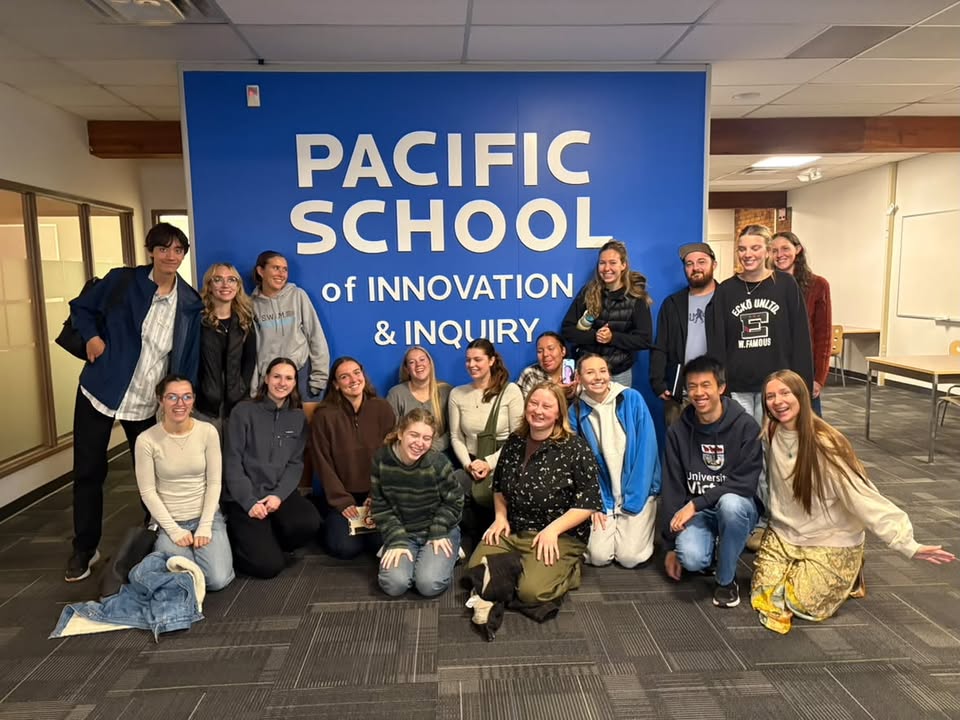
Today, instead of doing our regular Zoom session, we had the opportunity to tour the Pacific School of Innovation and Inquiry in downtown Victoria, and it was such an amazing experience.
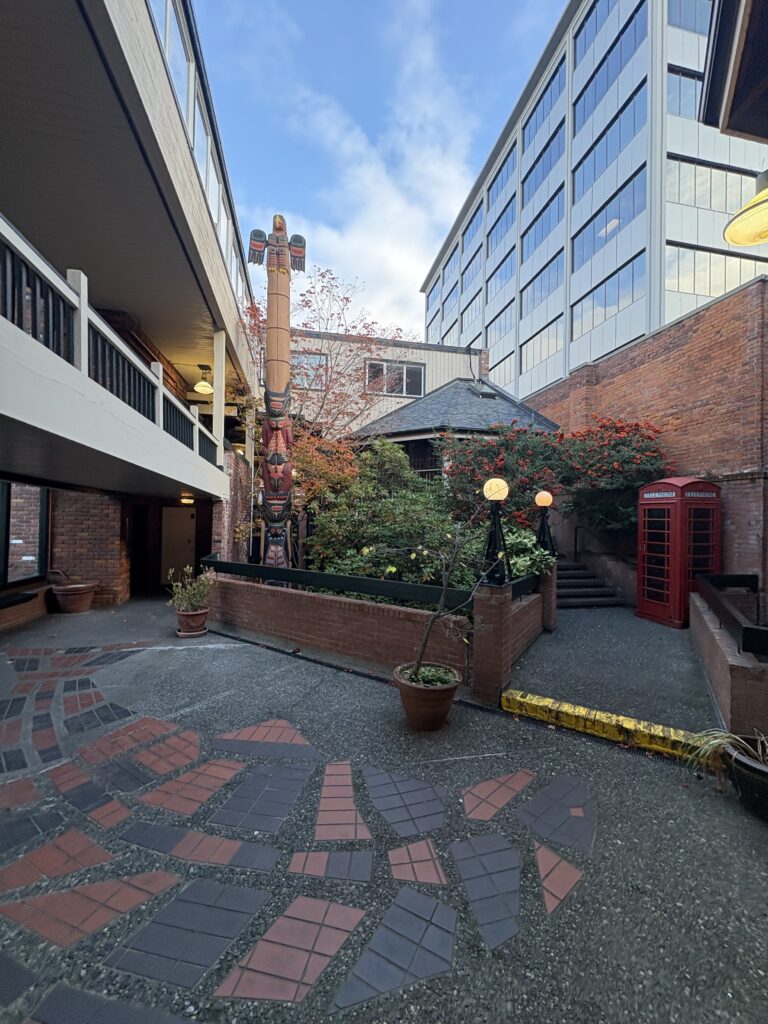
First of all, the school itself was beautiful. It is located right in downtown Victoria and has two floors that connect through an outdoor staircase. The space felt very unique and creative, and I could see how the environment could encourage students to think differently and explore their own interests.
I think the school has so much to offer when it comes to allowing students to be creative and innovative in their own learning. One of the things that stood out to me the most was how different the school’s approach to assessment is. Students do not receive traditional grades in the way we are used to, and there are no written exams or regular tests. Instead, their learning is demonstrated through what the school calls “proof of learning.” Students show what they know through conversations, projects, and other forms of evidence rather than simply receiving a score on a test.
We also learned that students have a lot of choice and independence throughout the day. They can prioritize what they are working on and decide which areas of learning they feel ready to focus on. This gives students more responsibility for their own education and allows them to learn in ways that work best for them.
Something else that really interested me was how this type of learning environment can be especially beneficial for students who may struggle in a traditional school setting, including some students on the autism spectrum. Because the school takes a more individualized approach to learning, students can learn in ways that better suit their needs, strengths, interests, and learning styles. Rather than expecting every student to learn in exactly the same way, the school gives students more flexibility and control over their education.
Even though the school has such a different approach to education, students still graduate with a high school diploma. Instead of constantly receiving traditional grades, students work toward completing the learning outcomes required by the BC curriculum. When a teacher feels that a student has demonstrated enough learning in a particular area, they assess the student based on the curriculum and determine what grade they have earned.
Another part of the visit that I found really interesting was the school’s approach to AI and cheating. Because the school has such a different style of learning, students do not seem to have the same motivation to cheat or rely heavily on AI to complete their work. In a traditional school setting, students can sometimes feel pressure to get a good grade, which may lead them to use AI to complete assignments or find ways around assessments. At this school however, the focus is much more on actually demonstrating and understanding what you have learned.
Overall, I found our visit to Pacific School of Innovation and Inquiry really interesting because it challenged the traditional idea of what school and learning have to look like. It showed me that students can still meet curriculum requirements and graduate with a high school diploma while having much more freedom, creativity, and ownership over their education. I especially liked how the school’s approach to assessment naturally encourages students to take responsibility for their own learning and makes cheating or misusing AI less useful. The visit made me think about how education may need to change as technology like AI becomes a bigger part of our lives, and how sometimes changing the way we assess learning may be more effective than simply trying to prevent students from using new technology.
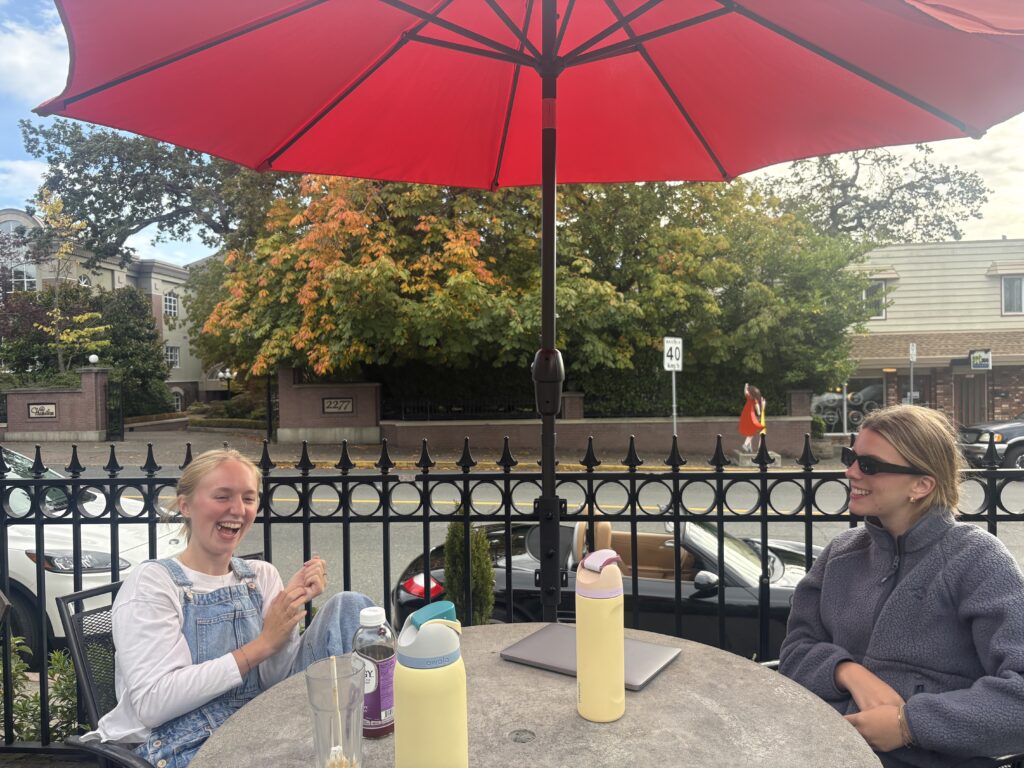
Today, I had the opportunity to meet with a friend who is so skilled in ASL, and it was such a great experience to practice together. We spent the afternoon at a cafe in Oak Bay, learning and working through some new words and sentences. It was really helpful to have someone to practice with, and I enjoyed being able to learn while also spending time in the sun. I’m grateful for the time we spent together and excited to keep building my ASL skills!